2026-03-11

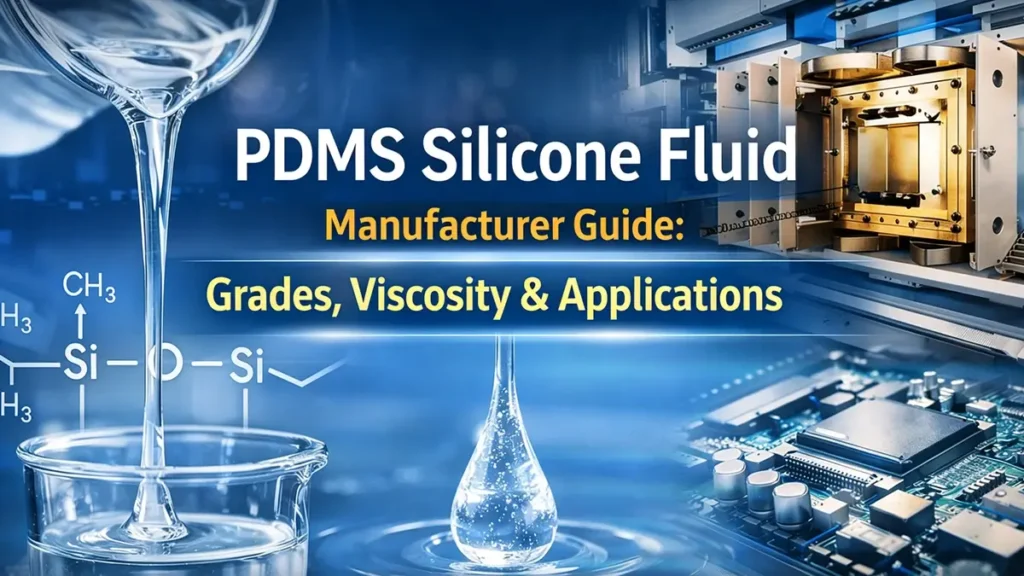
PDMS silicone fluid, also known as polydimethylsiloxane (PDMS), silicone oil, or dimethicone, is one of the most widely used silicone polymers in modern industrial manufacturing. Thanks to its excellent thermal stability, low surface tension, lubrication properties, and dielectric insulation, PDMS fluids are widely used in industries such as plastics processing, electronics, personal care formulations, coatings, and chemical manufacturing.
Compared with conventional mineral oils, PDMS silicone oil offers superior oxidation resistance, stable viscosity across a wide temperature range, and outstanding surface wetting performance. These advantages make industrial silicone fluids ideal for applications such as lubricants, mold release agents, silicone defoamers, heat transfer fluids, and dielectric insulating oils.
Silico® PDMS Silicone Fluids are engineered to deliver high purity, consistent viscosity grades, and reliable performance across demanding industrial applications, providing manufacturers and formulators with dependable silicone solutions.
This guide outlines the key properties, viscosity grades, production methods, and industrial applications of PDMS silicone fluids, helping engineers, formulators, and procurement specialists select the most suitable silicone oil for their specific needs.
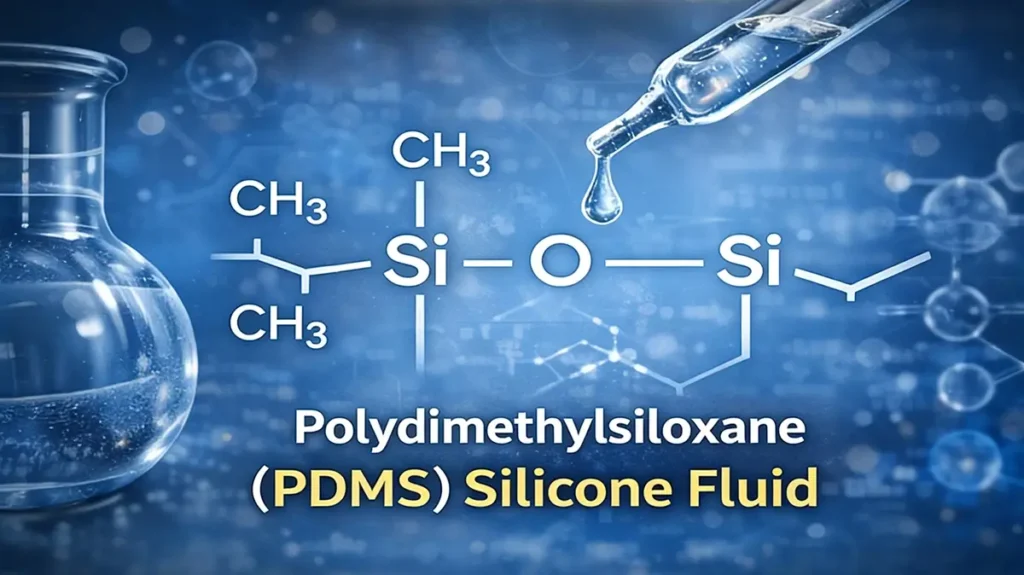
Polydimethylsiloxane (PDMS) is a linear silicone polymer composed of repeating siloxane (Si–O–Si) units. Its molecular structure can be represented as:
–[Si(CH₃)₂–O]ₙ–
The number of repeating units (n) determines the molecular weight and silicone fluid viscosity, which directly influences the performance of the silicone oil in different industrial applications.
Because of the flexible silicon-oxygen backbone, PDMS silicone fluids exhibit unique characteristics that distinguish them from conventional hydrocarbon-based oils.
Key properties include:Good chemical inertness and long service life
These characteristics allow PDMS silicone oils to remain stable across temperatures ranging from approximately −50 °C to 200 °C, making them ideal for use in demanding industrial environments.
The Si–O–Si backbone structure gives PDMS silicone fluids superior thermal resistance compared with conventional lubricants. As a result, silicone oils maintain stable viscosity and lubrication performance even under high-temperature operating conditions.
This property makes PDMS fluids suitable for heat transfer systems, industrial lubricants, and electronic cooling applications.
One of the defining characteristics of silicone fluids is their extremely low surface tension. This allows PDMS silicone oil to spread rapidly across surfaces and form uniform films.
This property is particularly beneficial for applications such as:PDMS fluids exhibit strong hydrophobic properties, enabling them to create durable water-repellent coatings on a wide range of materials.
This makes silicone oil highly effective for textile finishing, waterproof coatings, and protective surface treatments.
Another major advantage of PDMS silicone fluids is their excellent dielectric properties.
Because of their high electrical resistivity and dielectric strength, silicone oils are widely used in:
semiconductor manufacturing processes
Silicone fluid viscosity is one of the most important parameters affecting product performance. PDMS silicone oils are available in a wide viscosity range, typically measured in centistokes (cSt) at 25 °C.
Different viscosity grades are designed for different industrial uses.
light mold release coatings
Low-viscosity PDMS fluids are widely used in personal care products and industrial antifoaming formulations.
Excellent compatibility with additives
polishing and surface protection formulations
At this viscosity range, Silico® silicone fluid grades are commonly selected for general industrial lubrication and release applications due to their consistent quality and formulation stability.
industrial heat transfer systems
These specialty grades are commonly used in advanced silicone materials and high-performance industrial systems.
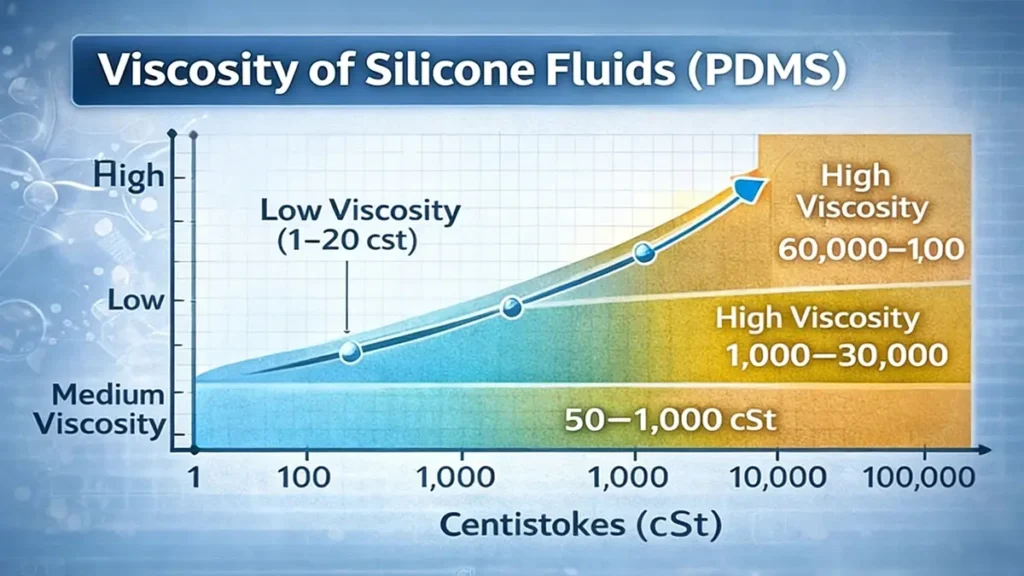
PDMS silicone oils are widely used as high-performance industrial lubricants due to their low friction coefficient and stable viscosity behavior.
Typical applications include:precision mechanical components
Silicone lubricants are particularly valuable in environments where temperature stability and long service life are required.
Silicone mold release agents are widely used in the manufacturing of plastics, rubber, and composite materials.
Advantages include:increased manufacturing efficiency
Because of their extremely low surface tension, silicone oils form a uniform release film that prevents adhesion between molds and finished products.
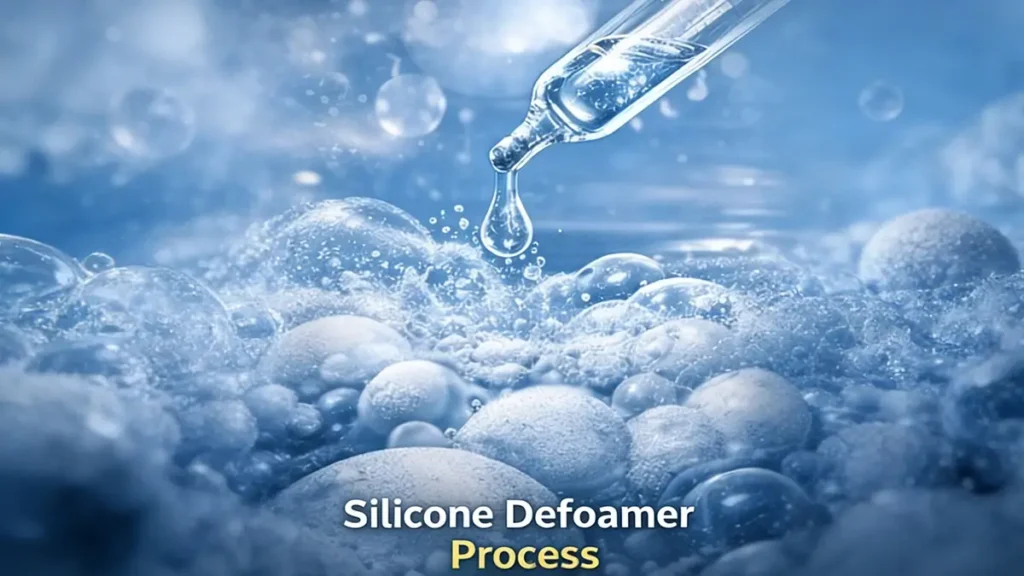
PDMS-based silicone defoamers are widely used in industrial processing systems.
Common applications include:
food production industries
Silicone oils rapidly spread across foam surfaces and destabilize air bubbles, making them among the most effective industrial antifoaming agents available.
In the personal care industry, dimethicone (cosmetic-grade PDMS) is widely used as a conditioning and skin-protecting ingredient.
Typical products include:
makeup formulations
Dimethicone improves spreadability, smooth skin feel, and moisture retention.
Because of their excellent dielectric properties, PDMS silicone fluids are frequently used in electronic and electrical industries.
Applications include:electronic encapsulation materials
For high-temperature systems, it is recommended to select high-purity PDMS silicone fluids with strong thermal stability.
When used as additives, silicone fluids should be compatible with:
formulation additives
trimethyl-terminated PDMS
These materials are widely used as intermediates for advanced silicone materials and specialty silicone polymers.
PDMS silicone fluid is one of the most versatile materials used in modern chemical and manufacturing industries. Its combination of thermal stability, lubrication performance, water repellency, and dielectric insulation makes it indispensable across numerous industrial sectors.
By understanding the relationship between silicone fluid viscosity, functional properties, and application requirements, manufacturers and buyers can select the most suitable silicone oil for optimal performance.
For companies seeking reliable and high-quality silicone solutions, Silico® PDMS Silicone Fluids provide consistent viscosity control, high purity standards, and dependable performance across a wide range of industrial, cosmetic, and electronic applications.
PDMS silicone fluid is widely used as industrial lubricants, mold release agents, silicone defoamers, heat transfer fluids, and cosmetic ingredients such as dimethicone.
The appropriate viscosity depends on the application:
5–50 cSt → defoaming and spreading
100–500 cSt → mold release and lubrication
1000+ cSt → damping and heavy lubrication
Yes. Dimethicone is a cosmetic-grade form of PDMS silicone fluid, commonly used in skincare and haircare products.
Because PDMS silicone oil has extremely low surface tension, it spreads quickly across foam surfaces and destabilizes bubbles, making it an effective industrial antifoaming agent.