
How to Choose Silicone Oil for Electrical & Dielectric Insulation

Learn how to correctly choose high-performance electronic and electrical insulating silicone fluids. This guide explains key properties such as dielectric strength, thermal stability, and viscosity, helping engineers select the most suitable Silico®silicone fluid for insulation, heat dissipation, and high-voltage applications.
Table of Contents
- 1. Introduction: The Role of Silicone Oil in Electrical & Dielectric Insulation
- 2. Core Material Properties & Advantages
- 3. Common Silicone Oil Types and Application Scenarios
- 4. Critical Selection Parameters for Electrical & Thermal Use
- 5. Standards and Regulation Guidance
- 6. Laboratory & Field Test Matrix
- 7. Decision-Making Process for Engineers
- 8. Procurement & Acceptance Checklist
- 9. Conclusion & Quick Reference Table
- 10. Frequently Asked Questions (FAQ)
1. Introduction: The Role of Silicone Oil in Electrical & Dielectric Insulation
In advanced electrical and electronic systems—such as high-voltage transformers, power modules, EV battery packs, and thermal control assemblies—silicone fluid (also known as silicone oil) serves as a reliable medium for electrical insulation and dielectric heat dissipation.
Its excellent dielectric strength, low dissipation factor, and thermal stability make it a superior choice to conventional mineral or ester-based fluids.
As a leading silicone materials innovator, Silico® offers a full range of dielectric silicone oils engineered for critical insulation and cooling applications, ensuring both system safety and long-term reliability.
Selecting the right silicone fluid is essential to maintaining stable performance, minimizing electrical losses, and ensuring consistent operation under extreme temperature or voltage conditions.
2. Core Material Properties & Advantages
- High Dielectric Strength: Silicone oils maintain insulation integrity even under strong electrical fields, reducing the risk of partial discharge or dielectric breakdown.
- Stable Dielectric Constant & Low Dissipation Factor: Typical permittivity ranges from 2.6 – 2.8, with tan δ values < 0.001 at 25 °C, ensuring minimal power loss.
- Wide Operating Temperature Range: Reliable from − 50 °C up to 200 °C+, with low volatility and consistent viscosity behavior.
- Excellent Thermal Stability: Resistant to oxidation and chemical degradation, even in oxygen-rich or high-voltage environments.
- Dual Functionality – Insulation & Cooling: Unlike most insulating liquids, silicone oils combine dielectric protection with effective heat transfer, enabling integrated cooling and electrical insulation.
- Material Compatibility: Chemically inert and compatible with metals, elastomers, and plastics, preventing corrosion or seal swelling.

3. Common Silicone Oil Types and Application Scenarios
Types of Silicone Oil:
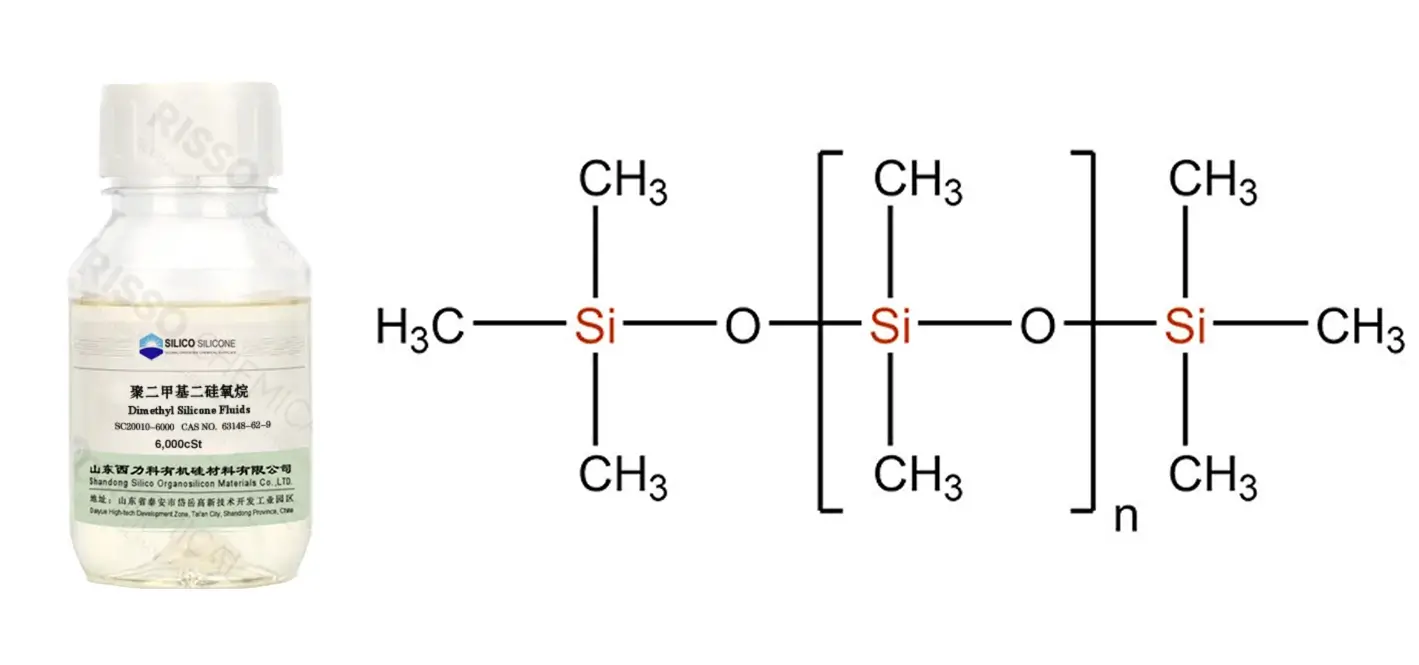
- Standard Polydimethylsiloxane (PDMS): The most common base fluid, offering a balance of insulation performance and cost-efficiency.
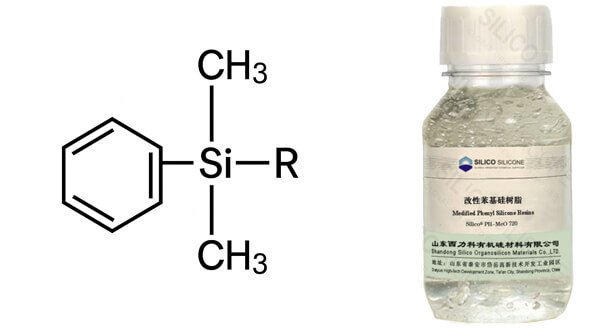
- Methyl-Phenyl Modified Silicone Oil: Provides higher dielectric strength and improved high-temperature resistance.
- Specialty Heat-Transfer Silicone Fluids: Optimized for active cooling loops in power converters, EV modules, and laser cooling systems.
Application Scenarios:
- Transformers & High-Voltage Apparatus: Replace mineral oils for enhanced dielectric reliability and reduced fire risk.
- Power Electronics & Thermal Modules: Act as both dielectric coolant and thermal interface medium in compact systems.
- Optoelectronic Devices: Used for potting, encapsulation, and optical coupling in sensors and LED modules.
- Circulating Thermal Systems: Ideal for electric vehicle batteries, rectifiers, and capacitor banks where insulation and cooling are both required.
4. Critical Selection Parameters for Electrical & Thermal Use
| Parameter | Why It Matters | Typical Range / Value |
|---|---|---|
| Dielectric Breakdown Voltage (BDV) | Measures maximum electric field tolerance before insulation failure. | ≥ 18 kV/mm (Silico® dielectric series) |
| Dielectric Constant (εr) | Influences energy storage capacity; lower values mean less capacitive loss. | 2.6 – 2.8 |
| Dissipation Factor (tan δ) | Indicates energy loss during alternating fields; lower is better. | < 0.001 |
| Viscosity / Viscosity–Temperature Curve | Affects cooling performance and circulation efficiency. | 50 – 1000 cSt @ 25 °C |
| Thermal Conductivity | Determines the rate of heat dissipation in power systems. | Typically 0.15 – 0.2 W/m·K |
| Thermal Stability / Volatility | Ensures long service life and safety under continuous high temperatures. | Weight loss < 1 % at 200 °C / 24 h |
| Water Content | Moisture reduces BDV; strict control is essential. | < 50 ppm |
| Compatibility & Aging Resistance | Ensures no chemical attack or hardening during long-term service. | Passes 1000 h @ 150 °C aging test |
By specifying these parameters during procurement, engineers can select the optimal silicone oil for their insulation and cooling system design.
5. Standards and Regulation Guidance
- IEC 60836:2015 — Silicone liquids for electrical apparatus and insulation systems.
- ASTM D1816 / D877 / IEC 60156 — Dielectric breakdown voltage test methods.
- ASTM D445 — Viscosity measurement for insulating liquids.
- ISO 9001 / ISO 14001 — Recommended quality system certifications for suppliers.

6. Laboratory & Field Test Matrix
Pre-installation Laboratory Tests:
- Dielectric Breakdown Voltage (IEC 60156)
- Dielectric Constant & Dissipation Factor vs. Temperature
- Viscosity–Temperature Profile (ASTM D445)
- Thermal Stability (Thermogravimetric Analysis, TGA)
- Water Content (Karl Fischer)
- Material Compatibility (Immersion Test at Elevated Temperature)
Field Performance Tests:
- In-service BDV and tan δ measurement
- Thermal conductivity validation under operational load
- Regular sampling: viscosity, moisture, contamination, oxidation index
Implementing this test matrix ensures electrical reliability and maintains long-term insulation performance in real-world operation.
7. Decision-Making Process for Engineers
- Define System Requirements: Voltage rating, temperature limits, flow dynamics, and thermal load.
- Set Performance Targets: BDV, tan δ, viscosity range, and expected lifespan.
- Compare Manufacturers: Evaluate TDS and benchmark Silico® dielectric silicone oils against alternatives.
- Conduct Bench Trials: Simulate real-world operating temperature and electrical stress.
- Specify Acceptance Criteria: Include BDV minimums, viscosity tolerances, and contamination limits.
- Audit Supplier Quality: Confirm production traceability, purity level, and certification compliance.
- Implement Monitoring Plan: Conduct periodic oil sampling to ensure stable dielectric and thermal characteristics.
8. Procurement & Acceptance Checklist
- Obtain TDS, CoA, and MSDS for each batch.
- Ensure BDV ≥ specified value; verify with independent testing.
- Confirm viscosity and water content are within contract limits.
- Check label traceability: batch number, production date, shelf life.
- Perform on-arrival sampling for BDV and moisture validation.
- Maintain maintenance records for long-term fluid monitoring.
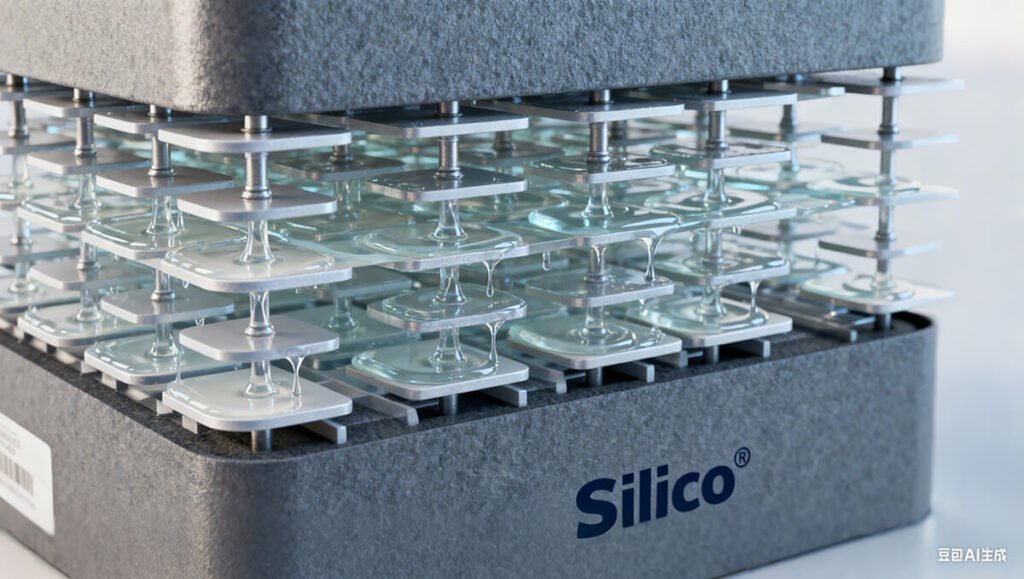
9. Conclusion & Quick Reference Table
Conclusion:
Selecting the correct dielectric silicone oil requires balancing electrical insulation strength, dielectric stability, thermal conductivity, and material compatibility.
Silico® dielectric fluids deliver long-term reliability and superior dielectric performance, making them ideal for modern high-voltage and thermal management applications.
| Application Requirement | Key Fluid Property | Typical Specification |
|---|---|---|
| High-voltage insulation | Dielectric Breakdown Voltage (BDV) | ≥ 18 kV/mm |
| Efficient thermal cooling | Viscosity & Conductivity | 50 – 1000 cSt @ 25 °C; 0.15 – 0.2 W/m·K |
| Long-term reliability | Thermal Stability & Oxidation Resistance | Weight loss < 1 % at 200 °C / 24 h |
| Safety & purity | Water Content | < 50 ppm |
| Environmental compliance | IEC 60836 / ASTM D1816 / ISO 9001 | Conforming |
10. Frequently Asked Questions (FAQ)
A1: Yes, in many cases. Silicone oils offer superior dielectric stability, fire resistance, and thermal endurance, though system compatibility must be verified.
A2: BDV defines how much electric stress the fluid can withstand before conduction occurs—critical for insulation reliability and surge protection.
A3: Silico® formulations feature tightly controlled moisture levels, enhanced oxidative stability, and optimized dielectric constant for consistent long-term performance.
A4: Typically every 6 – 12 months for BDV, moisture, viscosity, and contamination levels, depending on system duty cycle.
Silicone Fluid related products
If you want to know other questions about Sillcone Fluid, please contact us and we will provide professional answers.
Popular Recommendations
Get a Catalog & Best Price
- Quick and helpful reply within 24 hours;
- Tailored solutions provided for your project;
- One-stop purchasing service.
Need More Technical Information?
Silico® ORGANOSILICON
- Address: Daiyue Industrial Area, Taian, Shandong, China
- © Copyright 2022 Silico® . All Rights Reserved