


• Home » News »  Industrial Applications of Dimethyl Silicone Oil & Grade Selection

Industrial Applications of Dimethyl Silicone Oil & Grade Selection

Industrial Applications of Dimethyl Silicone Oil & Grade Selection

Dimethyl silicone oil, also known as polydimethylsiloxane (PDMS), is a versatile silicone fluid widely used across multiple industrial sectors due to its thermal stability, chemical inertness, hydrophobicity, and excellent lubricating properties.

Engineers and formulators frequently search for guidance on dimethyl silicone oil industrial applications, silicone oil viscosity selection, and how to choose the right grade for coatings, lubricants, or elastomers.

This guide provides a professional, in-depth resource to help industrial users understand the wide range of applications for dimethyl silicone oil and how to select the appropriate grade for their specific needs.

As a trusted supplier of high-quality silicone fluids, Silico® offers stable and reliable dimethyl silicone oils suitable for industrial coatings, elastomers, lubricants, and specialty formulations.

1. What Is Dimethyl Silicone Oil?

Dimethyl silicone oil is a linear polydimethylsiloxane polymer with repeating –Si(CH₃)₂–O– units. Its structure gives it unique properties that are highly valued in industrial silicone applications.

Key Features:

  • Clear, colorless liquid with low surface tension
  • Non-toxic and chemically inert
  • Excellent thermal stability (–50°C to 200°C+)
  • Exceptional lubrication, water repellency, and anti-foaming properties

These properties make it an essential material in industrial lubricants, coatings, elastomers, textile softeners, and cosmetic-grade formulations.
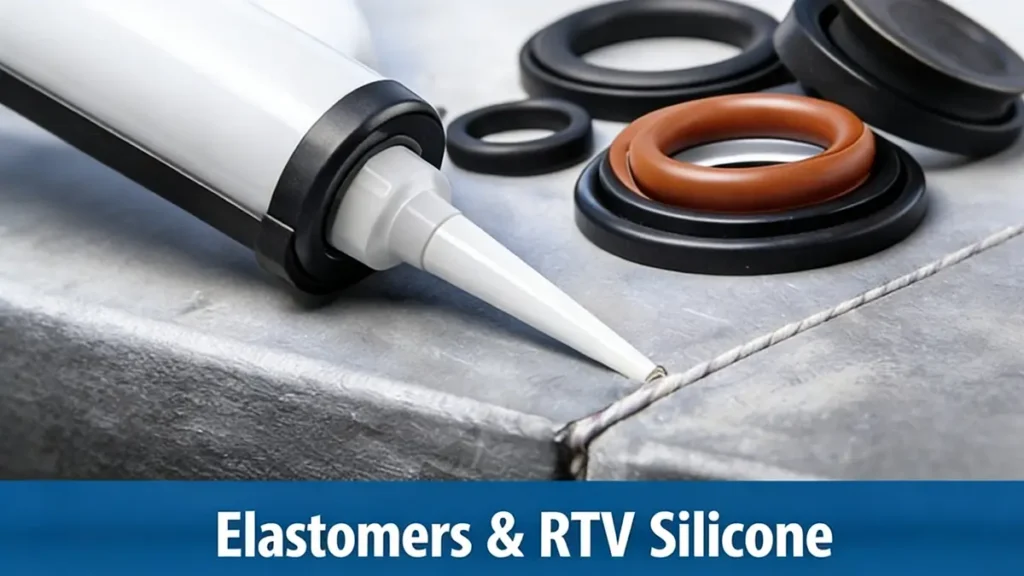
Elastomers & RTV Silicone

2. Key Properties That Affect Industrial Applications

Selecting the right dimethyl silicone oil depends on understanding several critical material properties:

2.1 Viscosity

Viscosity affects flow, processing, and final product performance:

  • Low viscosity (20–100 cSt) → ideal for coatings, surface treatments, and defoaming applications
  • Medium viscosity (1,000–10,000 cSt) → suitable for lubricants, adhesives, and textile softeners
  • High viscosity (≥50,000 cSt) → used as a base polymer for RTV silicone, elastomers, and high-performance sealants

2.2 Molecular Weight

  • Low MW → coatings and reactive modifiers
  • Medium MW → adhesives, lubricants, and textiles
  • High MW → elastomers, RTV silicone, and structural applications

High molecular weight correlates with enhanced mechanical properties, elasticity, and durability.

2.3 Thermal and Chemical Stability

Dimethyl silicone oil demonstrates excellent heat resistance, oxidation resistance, and chemical inertness, making it suitable for industrial environments with high temperature or chemical exposure.

2.4 Surface Properties

  • Low surface tension → improved wetting and leveling in coatings
  • Hydrophobic → water repellency and anti-foaming performance
  • Non-volatile grades → widely used in cosmetic and personal care formulations

3. Industrial Applications of Dimethyl Silicone Oil

Dimethyl silicone oil is widely applied across key industrial sectors, each requiring different performance characteristics:

3.1 Lubricants and Release Agents

  • Reduces friction and wear in machinery, conveyor systems, and high-speed equipment
  • Serves as a mold release agent for plastics, rubber, and resin processing

3.2 Coatings and Surface Treatments

  • Improves water repellency, anti-cratering, and surface leveling
  • Enhances durability and performance in industrial paints, varnishes, and silicone sealants

3.3 Elastomers and RTV Silicone

  • Functions as the base polymer in silicone rubbers and RTV systems
  • Provides elasticity, resilience, and improved mechanical strength

3.4 Textile and Fabric Processing

  • Used as softeners, lubricants, and finishing agents
  • Enhances hand feel, smoothness, and durability after repeated washing

3.5 Cosmetics and Personal Care Products

  • Non-volatile dimethyl silicone oil is essential in skin and hair formulations, providing slip, spreadability, and emolliency
  • Improves long-lasting softness, shine, and skin protection

3.6 Defoamers and Specialty Fluids

  • Industrial defoaming for water treatment, coatings, and food processing
  • Heat-stable silicone oils used in high-temperature lubrication and hydraulic systems
Lubricants & Release Agents

4. How to Choose the Right Grade for Your Application

Selecting the correct dimethyl silicone oil grade involves evaluating viscosity, molecular weight, and functional requirements.

4.1 Match Application Requirements

  • Coatings → low viscosity for better spreading and surface coverage
  • Lubricants → medium viscosity for film stability and load-bearing
  • RTV silicone or elastomers → high viscosity for mechanical strength and elasticity

4.2 Ensure Additive Compatibility

Check compatibility with:

  • Fillers (silica, titanium dioxide)
  • Catalysts (platinum, tin, peroxide systems)
  • Other formulation ingredients

4.3 Evaluate Thermal and Chemical Conditions

  • High-temperature operations → select heat-stable silicone oils
  • Exposure to chemicals → ensure chemical-resistant grades
For industrial formulators, sourcing Silico® dimethyl silicone oil ensures reliable performance, tested consistency, and compatibility with demanding industrial applications.

5. Critical Technical Considerations

  • Purity: Impurities can affect performance, color, and curing behavior
  • Storage and Handling: Store in sealed containers, away from moisture and contaminants
  • Performance Testing: Small-scale trials are recommended before scaling up

6. Common Mistakes to Avoid

❌ Selecting viscosity without considering application needs
❌ Ignoring chemical and additive compatibility
❌ Using low-purity or contaminated silicone oils
❌ Skipping pilot testing for coatings, lubricants, or elastomers

Avoiding these mistakes ensures consistent performance, efficiency, and product longevity.

Textiles & Personal Care

7. Conclusion

Dimethyl silicone oil is a key material in industrial applications, ranging from lubricants, coatings, elastomers, and textiles to cosmetic-grade formulations.

Selecting the right grade requires evaluating:

  • Viscosity and molecular weight
  • Thermal and chemical stability
  • Application-specific requirements
  • Additive compatibility and purity

Using high-quality dimethyl silicone oils, such as Silico® products, guarantees consistent results, long-term stability, and optimal performance across diverse industrial applications.

PDMS Silicone Fluid Viscosity FAQ

1. What is dimethyl silicone oil (PDMS)?

Dimethyl silicone oil, also known as polydimethylsiloxane (PDMS), is a clear, inert silicone fluid with excellent thermal stability, low surface tension, and superior lubrication properties. It is widely used in industrial lubricants, coatings, defoamers, and elastomer formulations.

2. What are the main industrial applications of dimethyl silicone oil?

Dimethyl silicone oil is commonly used in:

  • Lubricants and release agents for machinery and mold processing
  • Coatings and surface treatments for water repellency and leveling
  • Defoamers in water treatment and chemical processing
  • Elastomers and RTV silicone as a base polymer
  • Textile and personal care formulations for softness and smoothness
3. Is dimethyl silicone oil soluble in water?

No, dimethyl silicone oil is insoluble in water and other polar solvents. It dissolves well in non-polar organic solvents such as hydrocarbons, making it suitable for oil-based formulations and coatings.

4. Is dimethyl silicone oil environmentally friendly?

Dimethyl silicone oil is chemically stable and not readily biodegradable under natural conditions. However, it is considered low-toxicity and safe for use in many industrial and personal care applications when handled properly.

5. How do you choose the right viscosity of dimethyl silicone oil?

Selecting the correct viscosity depends on the application:

  • Low viscosity (20–100 cSt): coatings, defoamers, surface treatments
  • Medium viscosity (1,000–10,000 cSt): lubricants, textile finishes
  • High viscosity (≥50,000 cSt): RTV silicone, elastomers, sealants

Proper viscosity selection ensures optimal performance, stability, and compatibility in industrial formulations.


Popular Recommendations

Get a Catalog & Best Price​

  • Quick and helpful reply within 24 hours;
  • Tailored solutions provided for your project;
  • One-stop purchasing service.
Please enable JavaScript in your browser to complete this form.
  • © Copyright 2022 Silico® . All Rights Reserved.
Scroll to Top