
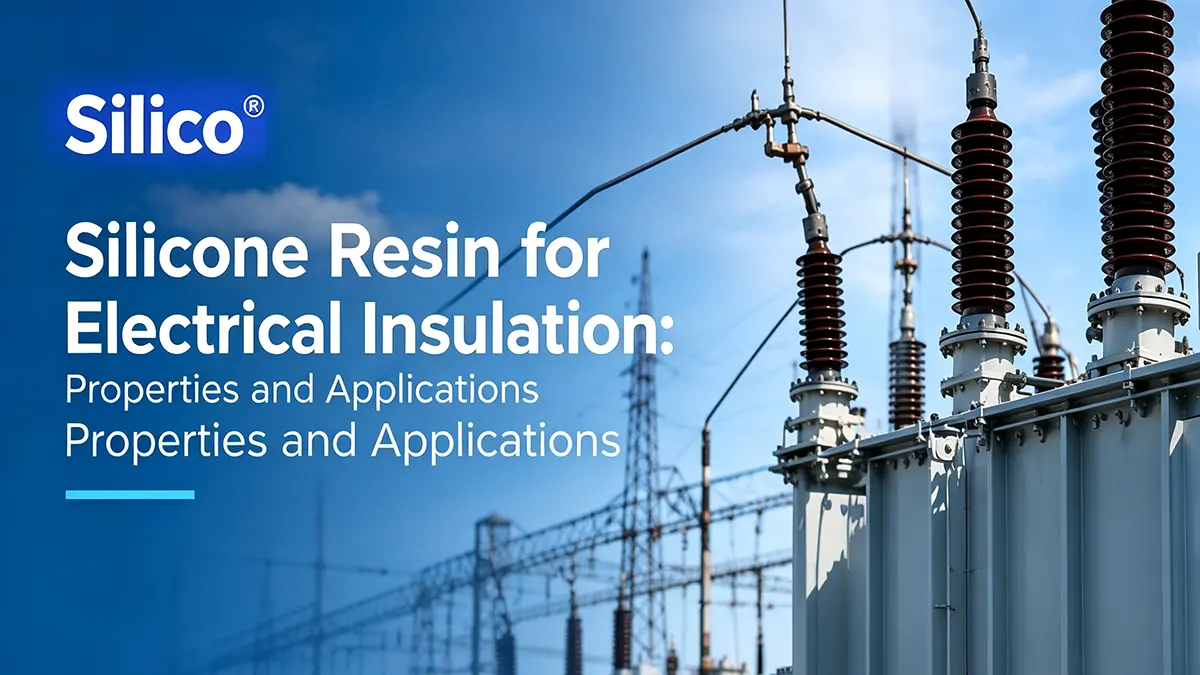
Learn how silicone resin is used for electrical insulation in motors, generators, transformers and coils, including key electrical, thermal and processing properties.
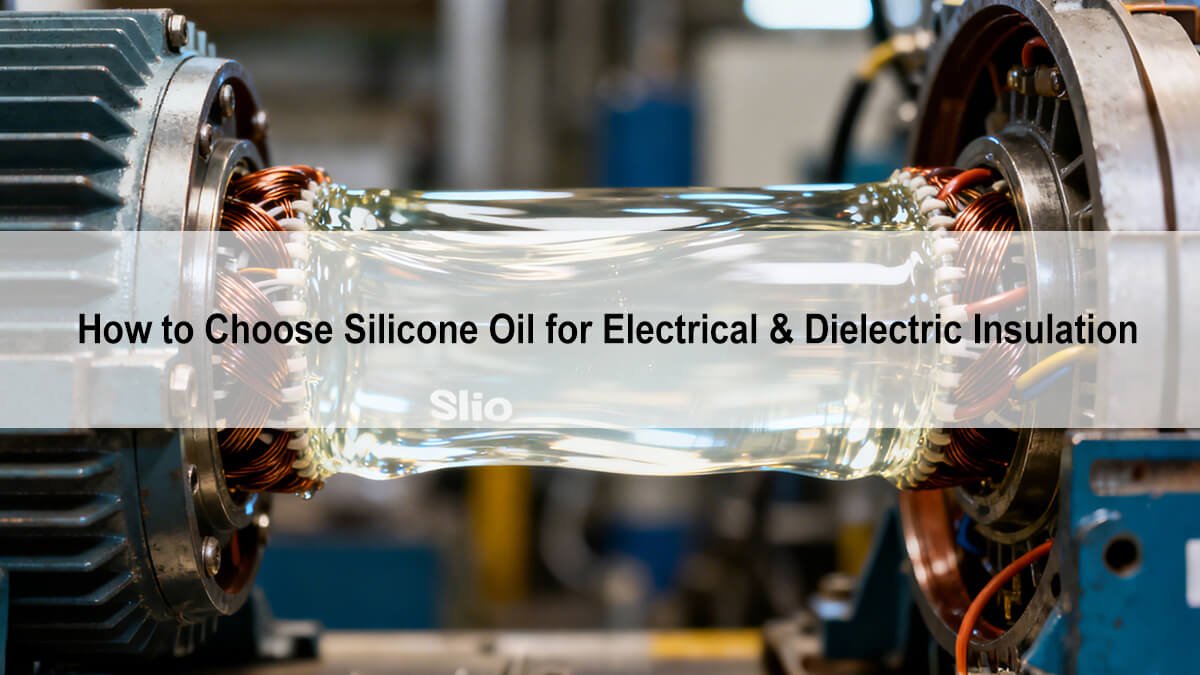
Professional guide on selecting electronic-grade silicone fluids for insulation, dielectric performance, and heat dissipation. Featuring Silico® solutions.

Discover how to enhance the dielectric strength of PDMS in electrical insulating oils through molecular optimization, fillers, and surface modification.

Explore how PDMS ensures thermal stability in electronics, from TIMs to microfluidics and high-temperature encapsulation.
- Silicone Fluid Guide
 Silicone Fluid Guide Complete guide to silicone fluids, PDMS, viscosity, properties, and applications.
- Silicone Emulsion
 Silicone Emulsion Learn about silicone emulsions, surface treatment, release agents, and textile applications.
- Silane Coupling Agent
 Silane Coupling Agent Understand silane coupling agents and their role in adhesion and surface modification.
- Silicone Resin Guide
 Silicone Resin Guide Explore silicone resins, heat resistance, protective coatings, and electrical applications.
- Silicone Rubber
 Silicone Rubber Learn about RTV and HTV silicone rubber, key properties, grades, and applications.
- Fumed Silica Guide
 Fumed Silica Guide Understand fumed silica, reinforcement, rheology control, and applications in silicone materials.
 Technical Expertise From Experienced Silicone Specialists
 Quality Content Reliable and Practical Information
 Application-Focused Solutions for Real-World Challenges
 Global Perspective Reliable & On-Time Delivery