2026-03-11

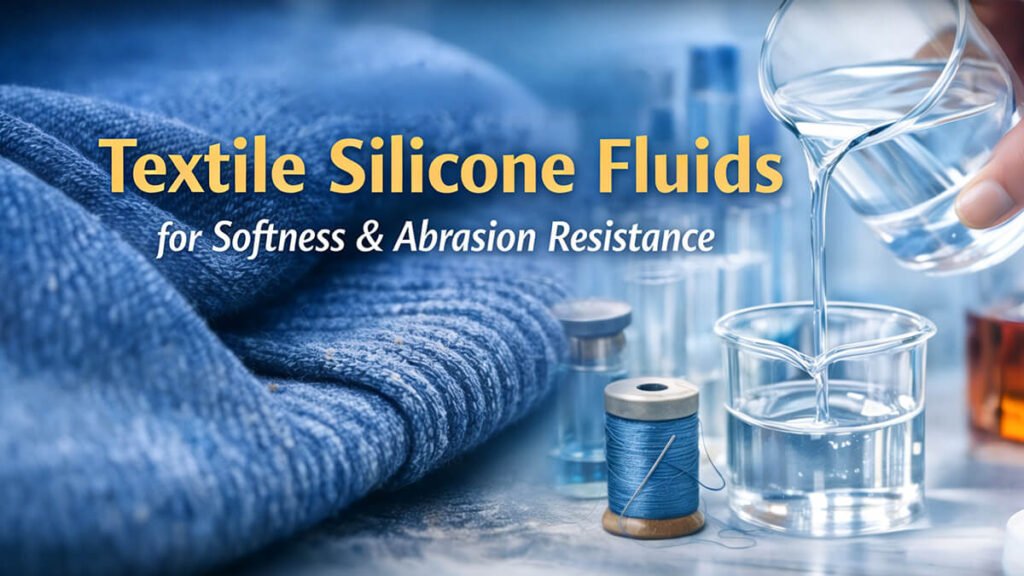
Textile silicone fluids are a core component of modern fabric finishing systems. By forming a flexible, lubricating, and durable film on fiber surfaces, silicone fluids significantly enhance fabric hand feel, smoothness, and abrasion resistance—key performance indicators for apparel, home textiles, and functional fabrics.
From a B2B perspective, properly selected textile silicone fluids help manufacturers improve product consistency, washing durability, and end-user comfort while maintaining stable and efficient finishing processes. These benefits explain why silicone fluid technologies developed and supplied by companies such as Silico® are widely referenced across industrial textile applications.
Textile silicone fluids are functional polysiloxane-based materials specifically engineered for fabric finishing. Their molecular structure provides:
Structural flexibility through chemical modification
Among the various types, amino-modified silicone fluids remain the most widely used in textile finishing due to their strong fiber affinity and balanced softness–durability performance.

Amino-modified silicone fluids contain amino functional groups that enhance interaction with textile fibers through physical adsorption and chemical affinity. Once applied, they form a thin, elastic silicone layer on the fiber surface, enabling:
Better resistance to mechanical abrasion during wear and laundering
These mechanisms are well-documented in industrial finishing systems and are reflected in many commercial formulations, including those developed within the Silico® textile silicone fluid portfolio.
Fabric softness and abrasion resistance are closely linked through surface friction behavior. Excessive friction accelerates fiber damage, fuzz formation, and pilling, while controlled lubrication improves both tactile comfort and fabric durability.
Textile silicone fluids act as surface lubricants that:
Minimize mechanical stress during processing, wearing, and washing
As a result, fabrics achieve a softer hand feel while maintaining longer service life—an essential balance for high-quality textile products.
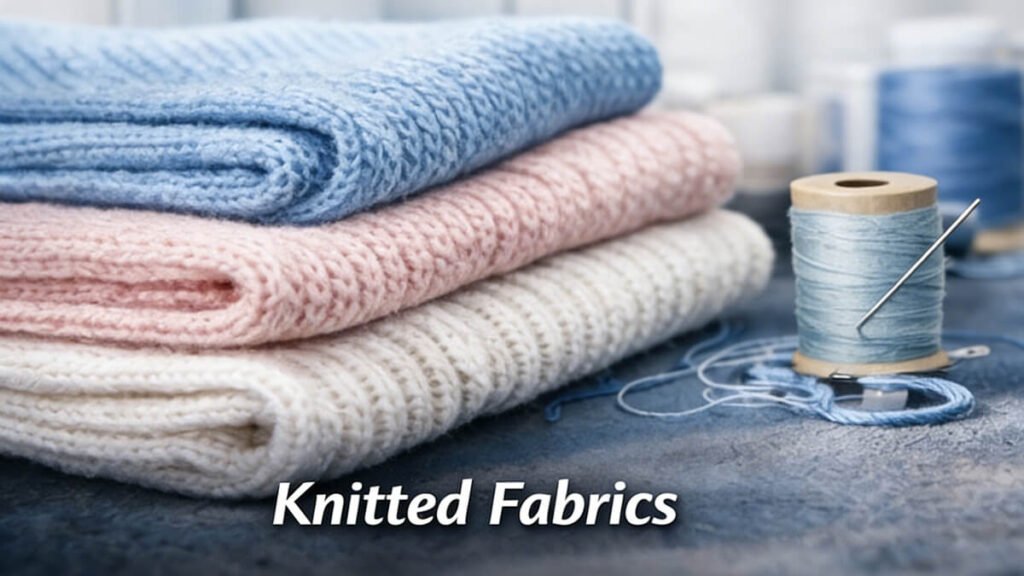
Knitted fabrics require excellent softness, elasticity, and uniform hand feel.
Low-to-medium amino silicone fluids with fine and stable emulsions are commonly used to ensure even distribution and minimal impact on fabric stretch.
Denim finishing presents unique challenges due to intensive mechanical and enzymatic treatments. After washing or abrasion processes, restoring softness without sacrificing durability is critical.
Medium to high amino silicone fluids, often combined with crosslinkable systems, help:Enhance abrasion resistance and wash durability
Such application-driven formulations are widely adopted in industrial denim finishing lines.
Home textiles demand long-lasting softness, skin comfort, and stability after repeated washing.
Hydrophilic or modified amino silicone fluids are preferred to maintain moisture management while delivering a soft and pleasant touch.
Functional textiles often require compatibility with multiple finishing agents, such as resins, water repellents, or anti-wrinkle systems.
Multifunctional silicone fluid systems support:Compatibility with complex finishing formulations
This makes them suitable for sportswear, workwear, and technical fabrics.

Viscosity affects film formation and application uniformity
A balanced combination is essential to avoid issues such as shade change, yellowing, or reduced dye fastness.
Reduced risk of oil spots or uneven finishing
Silicone fluids must remain stable within typical textile finishing pH ranges and be compatible with dyes, surfactants, and other auxiliaries to ensure reliable production performance.
Processing parameters—including temperature, shear force, padding pressure, and liquor ratio—directly influence silicone fluid deposition and fixation. Optimized application conditions help ensure:
Stable softness and abrasion resistance
For textiles with higher durability requirements, silicone fluids are often combined with epoxy-modified silicone fluids or crosslinking agents. These systems reinforce the surface film, improving abrasion resistance and wash durability in demanding applications such as denim, upholstery, and workwear.
Ignoring emulsion stability under real processing conditions
Laboratory trials and application-specific evaluations are essential before full-scale production.
Selecting high-performance textile silicone fluids requires a comprehensive understanding of fabric type, finishing process, and end-use performance requirements. By combining technical evaluation with practical trials, manufacturers can achieve an optimal balance between softness, abrasion resistance, and durability.
Industry-proven silicone fluid technologies—such as those developed and supplied by Silico®—demonstrate how well-designed formulations can support consistent, high-quality textile finishing across apparel, denim, home textiles, and functional fabric applications.