Silicone Sealant for Construction: Types, Applications and Selection Guide
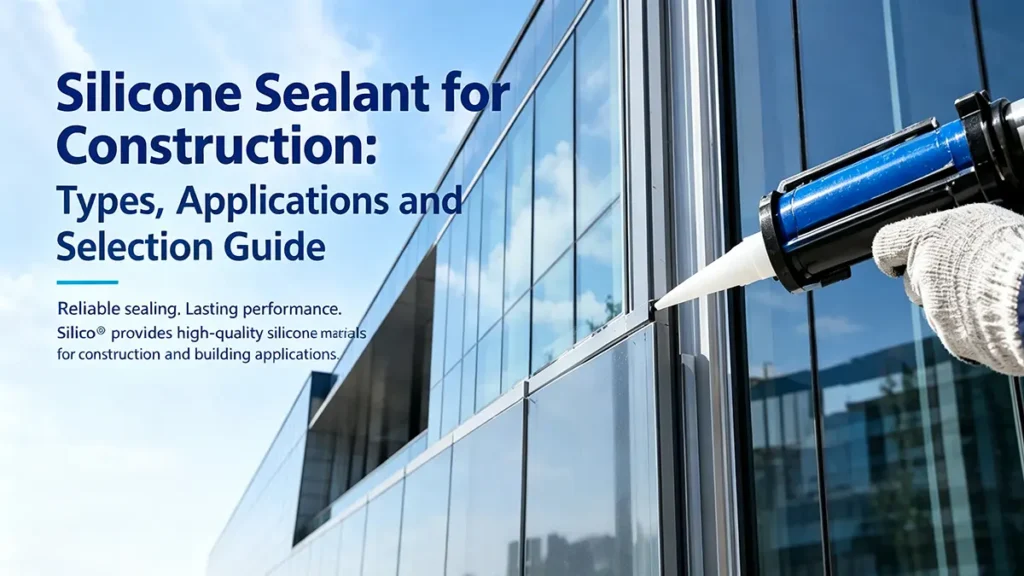
Silicone sealants are widely used in construction because they combine flexibility, adhesion, weather resistance and long-term durability. They are commonly found in curtain walls, structural glazing, windows, doors, building façades, expansion joints and other building-envelope applications.
However, not all silicone sealants are designed for the same purpose. A structural silicone sealant used to bond glass to a frame has very different requirements from a weatherproofing sealant used to seal a façade joint.
The correct selection should consider the substrate, joint function, expected movement, environmental exposure, curing system and applicable standards.
Silico® provides silicone materials for industrial formulation and surface-treatment applications, including silicone fluids, silicone resins and related silicone materials used in construction-related applications.
Table of Contents
- 1. What Is Silicone Sealant for Construction?
- 2. Main Types of Construction Silicone Sealants
- 3. Key Applications of Silicone Sealant in Construction
- 4. Key Properties of Construction Silicone Sealants
- 5. Structural Silicone vs Weatherproofing Silicone
- 6. 1K vs 2K Silicone Sealants
- 7. Neutral-Cure vs Acetoxy Silicone
- 8. Construction Silicone Sealant Standards
- 9. How to Select a Silicone Sealant for Construction
- 10. Silicone Sealant Application and Surface Preparation
- 11. Frequently Asked Questions
- 12. Conclusion
1. What Is Silicone Sealant for Construction?
A silicone sealant for construction is an elastomeric material used to seal joints and interfaces between building materials.
After curing, it forms a flexible rubber-like seal that can accommodate movement while helping prevent the penetration of water, air and environmental contaminants.
Typical substrates include:- Glass
- Aluminum
- Steel
- Concrete
- Masonry
- Ceramic
- Stone
- PVC and selected plastics
- Coated metals
- Curtain walls
- Structural glazing
- Windows and doors
- Glass façades
- Expansion and movement joints
- Metal panels
- Building envelope joints
- Glass-to-metal sealing
Silicone is particularly useful where joints are exposed to outdoor weather, temperature changes and repeated movement.
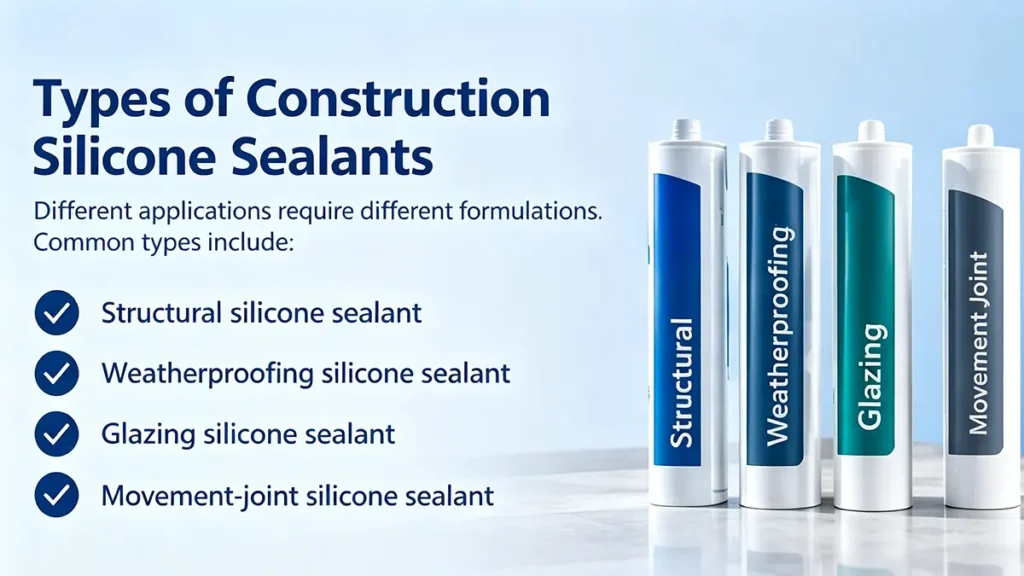
2. Main Types of Construction Silicone Sealants
Structural Silicone Sealant
It may transfer loads between glass or panels and the supporting frame. ASTM C1184 specifically addresses structural silicone sealants used for structural sealant glazing systems.
Weatherproofing Silicone Sealant
- Rain
- Air infiltration
- Moisture
- Wind-driven water
- Environmental exposure
It is widely used around curtain walls, windows, façade panels and other exterior joints.
Glazing Silicone Sealant
Glazing sealants are used for sealing interfaces involving glass, frames and other glazing components.
The required formulation depends on the glass type, frame material, coating and joint design.
Movement-Joint Silicone Sealant
- Thermal expansion
- Thermal contraction
- Building movement
- Vibration
- Seismic movement
Movement capability should be selected according to the actual joint design rather than based only on the sealant’s elongation value.

3. Key Applications of Silicone Sealant in Construction
Curtain Walls
Silicone sealants are widely used in curtain wall systems for both structural glazing and weatherproofing.
Structural silicone can bond glazing components to frames, while weatherproofing silicone seals exterior joints against water and air penetration.
These are different functions and normally require different product specifications.
Windows and Doors
- Aluminum windows
- PVC windows
- Timber frames
- Glass doors
- Exterior frames
- Perimeter joints
The sealant must maintain adhesion while accommodating movement between the frame and surrounding construction materials.
Building Facades
Exterior façade systems can contain glass, aluminum, concrete, stone and coated metal.
Silicone sealants can be used to seal interfaces between these materials and provide resistance to weathering, moisture and temperature cycling.
For natural stone, concrete and other porous substrates, adhesion and staining compatibility should be tested before large-scale application.
Expansion and Movement Joints
Movement joints require a sealant capable of repeated deformation.
The important parameters include:- Joint width
- Joint depth
- Expected movement
- Sealant movement capability
- Backer rod
- Substrate
- Environmental conditions
ASTM C920 provides movement-related classifications for elastomeric joint sealants, including classes such as 12.5, 25, 35, 50 and 100/50.
The appropriate class should be selected according to the joint design and project requirements.
4. Key Properties of Construction Silicone Sealants
Adhesion
- Surface preparation
- Aluminum finish
- Paint or coating
- Glass treatment
- Concrete condition
- Primer
- Sealant chemistry
Actual substrate testing is therefore important.
Movement Capability
Building materials move.
A suitable sealant must accommodate the expected movement without losing adhesion or cohesive integrity.
Movement capability is especially important for:- Curtain walls
- Exterior façades
- Expansion joints
- Window perimeters
- Metal panels
Weather Resistance
- UV radiation
- Rain
- Humidity
- Ozone
- Temperature cycling
- Freeze-thaw conditions
Silicone chemistry is widely used in these environments because of its resistance to long-term weathering.
Temperature Resistance
Silicone sealants can be formulated for applications involving substantial temperature variation.
However, there is no single temperature rating that applies to all silicone sealants.
Actual performance depends on:
Formulation + substrate + joint design + curing conditions + exposure time
A short-term temperature peak should also not be treated as equivalent to continuous high-temperature service.
Elasticity and Recovery
For moving joints, the cured sealant needs to deform and recover while maintaining adhesion.
This is particularly important where joints experience repeated thermal or mechanical movement.
5. Structural Silicone vs Weatherproofing Silicone
| Property | Structural Silicone | Weatherproofing Silicone |
|---|---|---|
| Primary function | Structural adhesion | Air and water sealing |
| Typical application | Structural glazing | Facades, windows, panels |
| Load transfer | Yes | Normally no |
| Movement | Application-specific | Generally important |
| Main concern | Structural integrity | Weather protection |
| Standard example | ASTM C1184 | ASTM C920 |
A weatherproofing silicone should not be substituted for a structural silicone simply because both products are silicone-based.
The structural glazing system should be designed and qualified using the appropriate structural sealant and testing procedures.

6. 1K vs 2K Silicone Sealants
1K Silicone Sealant
1K silicone is supplied ready to use and generally cures through atmospheric moisture.
Advantages include:- Simple application
- No on-site mixing
- Convenient packaging
- Suitable for many field applications
Curing speed depends on temperature, humidity, joint geometry and formulation.
2K Silicone Sealant
2K silicone contains separate components that are mixed before application.
It can provide:- Faster curing
- More controlled processing
- Better suitability for factory production
- Higher production efficiency
Two-component systems are particularly useful for controlled industrial glazing and high-volume manufacturing environments.
7. Neutral-Cure vs Acetoxy Silicone
Acetoxy Silicone
Acetoxy silicone releases acetic acid during curing.
It can perform well on certain substrates but may not be suitable for some metals, coatings or sensitive construction materials.
Neutral-Cure Silicone
Neutral-cure systems use different crosslinking chemistry and generally provide broader compatibility with many construction substrates.
They are commonly considered for:- Glass
- Aluminum
- Metal
- Windows
- Facades
- Curtain walls
- Construction joints
However, neutral cure does not mean universal compatibility. The specific product should still be tested against the actual substrate.
8. Construction Silicone Sealant Standards
ASTM C920
ASTM C920 covers elastomeric joint sealants used in building sealing, caulking and glazing applications.
The standard classifies sealants according to factors such as:- Type
- Grade
- Class
- Use
- Movement capability
It is one of the key references for construction joint sealants in North America.
ASTM C1184
ASTM C1184 is specifically focused on structural silicone sealants used in structural sealant glazing systems.
It includes requirements related to properties such as:- Hardness
- Extrudability
- Heat aging
- Tensile adhesion
- Tack-free time
- Shelf life
ISO 11600
ISO 11600 provides an international classification and requirements framework for sealants used in building construction.
For international projects, the applicable ISO, ASTM, EN or local standards should be confirmed according to the project specification.
9. How to Select a Silicone Sealant for Construction
9.1. Identify the Substrate
Determine whether the sealant will contact:
Glass, aluminum, steel, concrete, stone, masonry, PVC, painted metal or another material.
9.2. Define the Joint Function
- Structural bonding
- Weatherproofing
- Glazing
- Movement accommodation
- Perimeter sealing
- Waterproofing
9.3. Calculate Joint Movement
- Thermal expansion
- Thermal contraction
- Building movement
- Wind loading
- Seismic movement
- Joint dimensions
9.4. Evaluate the Environment
- UV exposure
- Temperature
- Humidity
- Water exposure
- Chemicals
- Pollution
- Freeze-thaw conditions
9.5. Select the Curing System
- 1K system
- 2K system
- Neutral-cure system
- Application-specific curing technology
9.6. Check Applicable Standards
- ASTM C920
- ASTM C1184
- ISO 11600
- Project-specific standards
9.7. Conduct Compatibility Testing
The final evaluation should use the actual:
Sealant + substrate + coating + primer + joint design + curing conditions
This is particularly important for structural glazing, coated aluminum, natural stone and other sensitive applications.
For manufacturers and formulators evaluating silicone materials for construction sealants, Silico® offers silicone fluids, silicone resins, silane coupling agents and related silicone materials that can be considered for different formulation requirements.
10. Silicone Sealant Application and Surface Preparation
Even a properly formulated sealant can fail if the installation is incorrect.
A typical application process includes:
Surface Cleaning
Joint Preparation
- Width
- Depth
- Geometry
- Backing material
Primer
Use primer when required by the sealant manufacturer and compatibility testing.
Backer Rod
A suitable backer rod can help control sealant depth and prevent unwanted three-sided adhesion in movement joints.
Sealant Application
Apply the sealant continuously and avoid air pockets or incomplete contact.
Tooling
Tool the sealant to achieve the specified joint profile and substrate contact.
Curing
Allow sufficient curing time before exposing the joint to service conditions.
Cure rate depends on the product chemistry, temperature, humidity and joint dimensions.

11. Frequently Asked Questions
Silicone sealants are used for structural glazing, weatherproofing, windows, doors, curtain walls, façades, glass-to-metal joints and movement joints.
Silicone sealants can provide strong resistance to water penetration when correctly selected and installed. However, water resistance, weatherproofing and complete waterproofing are not necessarily the same thing.
Structural silicone is designed to provide structural adhesion and load transfer in systems such as structural glazing. Weatherproofing silicone is primarily used to seal joints against water and air.
Yes, some silicone sealants are formulated for concrete and masonry. Because these substrates are porous, adhesion and staining should be evaluated using the actual material.
Curtain wall systems may use both structural silicone and weatherproofing silicone. The appropriate product depends on whether the sealant provides structural attachment or environmental sealing.
Neutral-cure silicone can offer broad compatibility with many construction substrates, but it is not automatically the best choice for every application. Product chemistry and substrate compatibility should be evaluated together.
Start with the substrate, joint function, expected movement, environmental exposure, curing system and applicable standards, then confirm performance through compatibility testing.
12. Conclusion
Silicone sealants are important materials for modern building envelopes because they can combine adhesion, flexibility, movement capability and weather resistance.
Their applications range from:
- Structural glazing
- Curtain walls
- Windows and doors
- Building façades
- Glass-to-metal joints
- Expansion joints
- Weatherproofing
The key point is that construction silicone sealant is not a single universal product. Structural glazing, weatherproofing, glazing and movement-joint applications require different performance characteristics.
A reliable selection process is:
Substrate → Joint Function → Movement → Environment → Cure System → Standards → Testing
For manufacturers developing construction sealant formulations, Silico® provides silicone fluids, silicone resins, silane coupling agents and related silicone materials for different industrial formulation and surface-treatment requirements.
Silicone Fluid related products
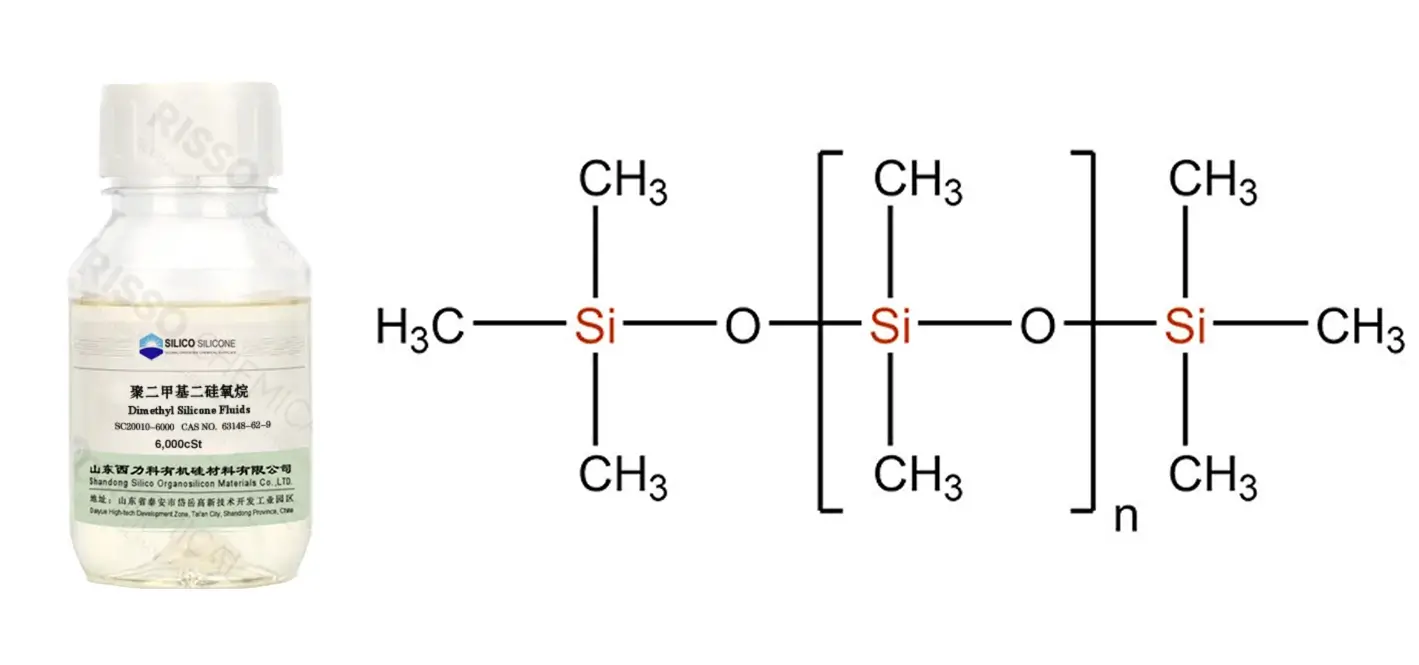
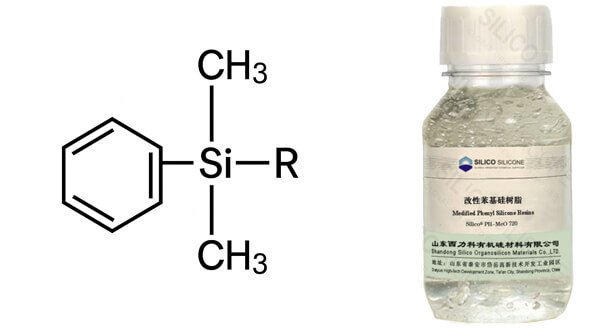
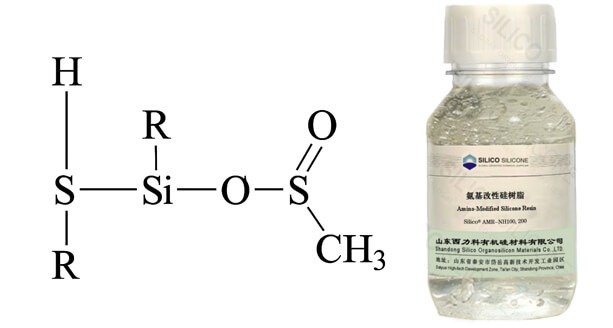
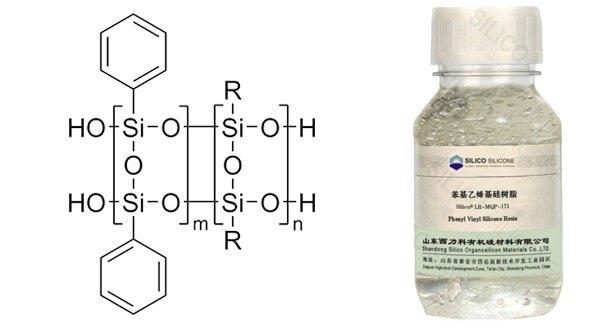
If you want to know other questions about Sillcone Fluid, please contact us and we will provide professional answers.
Popular Recommendations
Get a Catalog & Best Price
- Quick and helpful reply within 24 hours;
- Tailored solutions provided for your project;
- One-stop purchasing service.
Need More Technical Information?
Silico® ORGANOSILICON
- Address: Daiyue Industrial Area, Taian, Shandong, China
- © Copyright 2022 Silico® . All Rights Reserved