
 Technical Expertise By Silicone Specialists
 Practical Solutions For Real Applications
 Industry Insights Stay Ahead of Trends
 Updated Regularly Quality Content
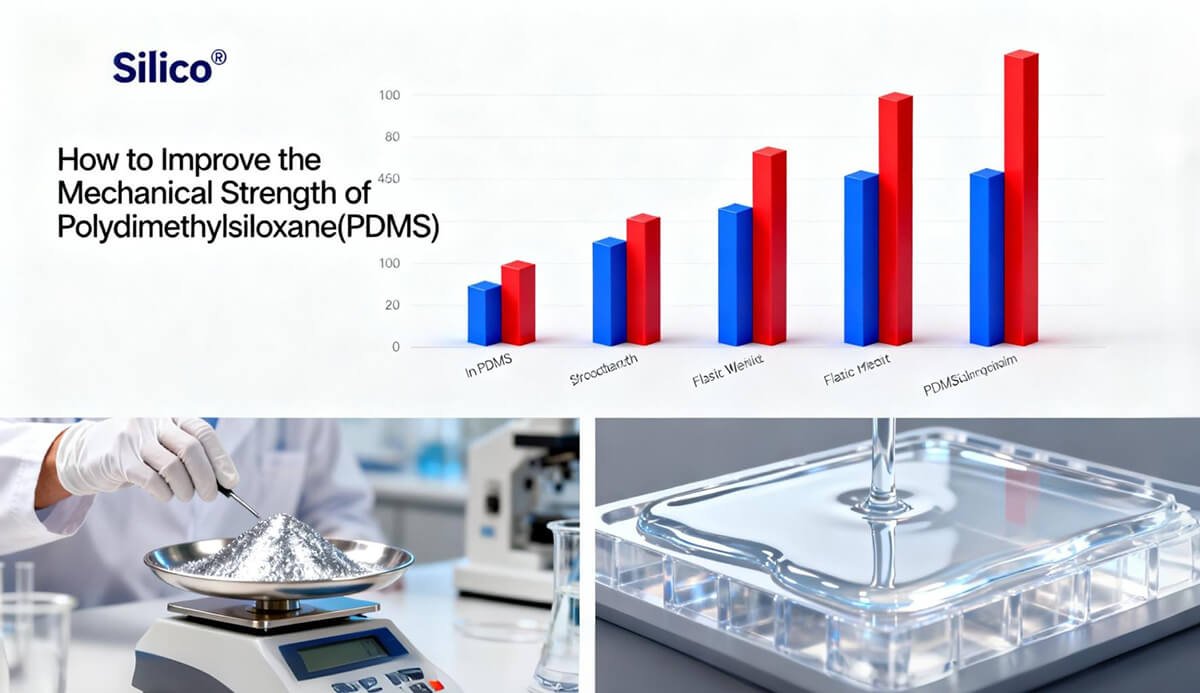
Learn how to improve PDMS mechanical strength through crosslinking, fillers, interfacial engineering, and processing optimization. Includes Silico® reinforced PDMS solutions.
Learn how to choose food-grade silicone oil that meets NSF and FDA standards. Explore Silico® solutions for safe, compliant, and high-performance food processing.
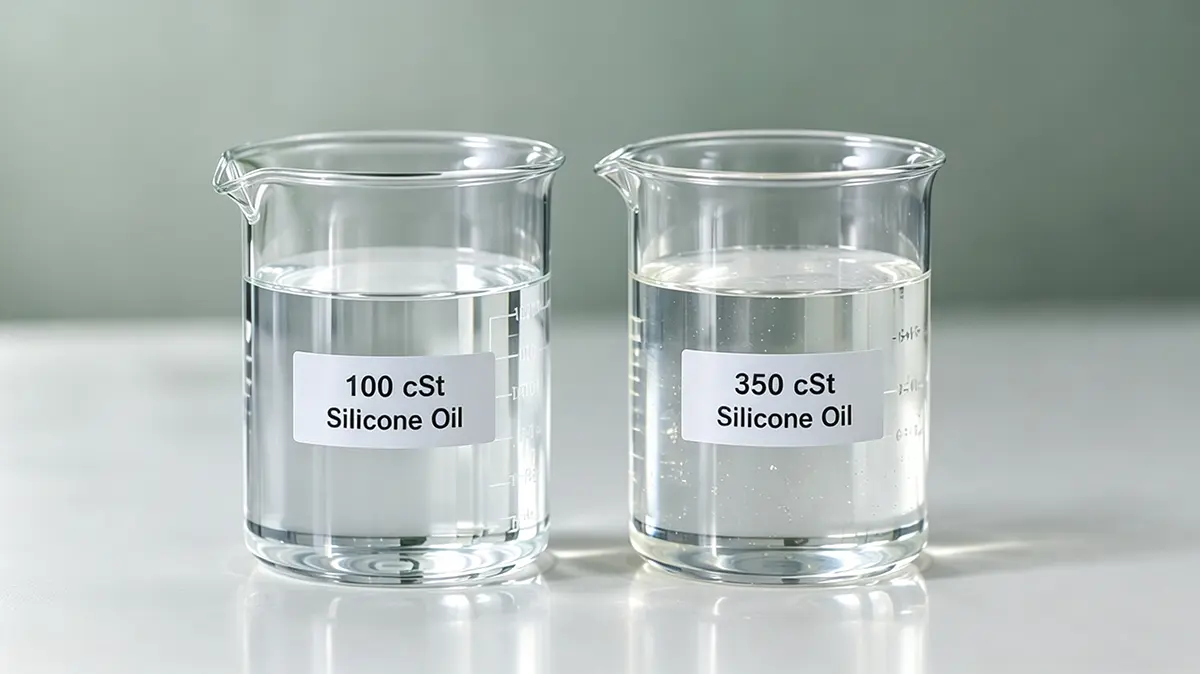
Compare 100 cSt and 350 cSt silicone oil for flow, lubrication, damping, film retention, processing, and industrial applications.
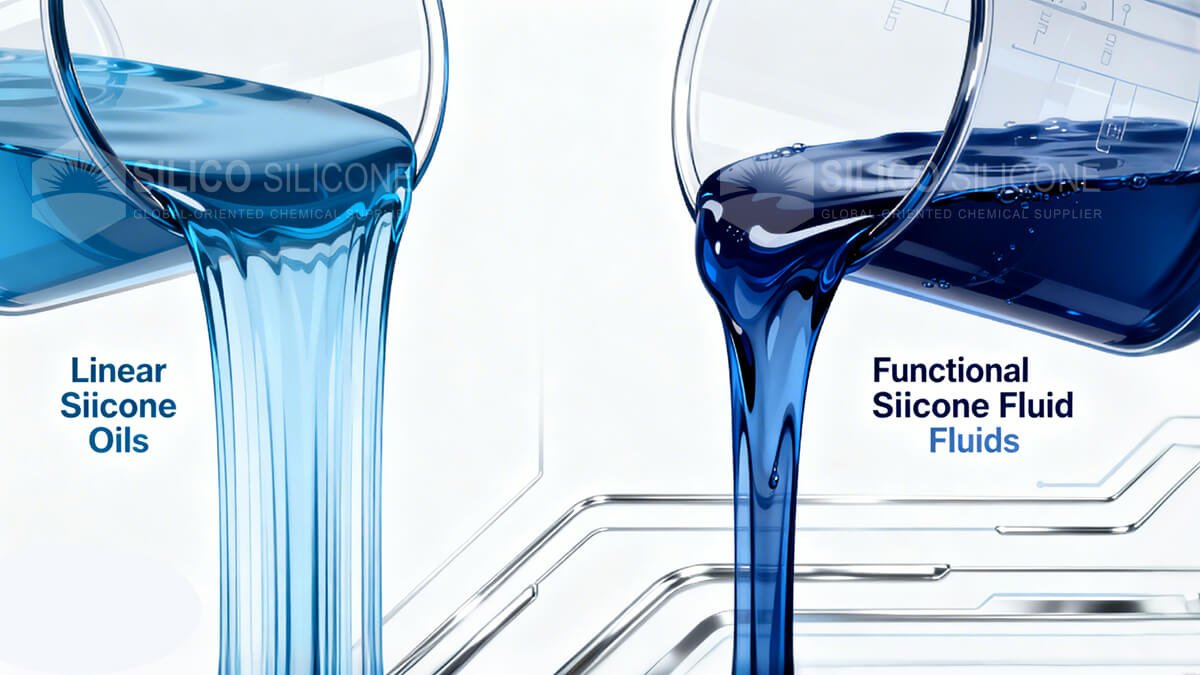
Discover the differences between Linear and Functional Silicone Fluids. Learn Silico® advantages, properties, and applications in cosmetics, coatings, and industry.
- Silicone Fluid Guide
 Silicone Fluid Guide Complete guide to silicone fluids, PDMS, viscosity, properties, and applications.
- Silicone Emulsion
 Silicone Emulsion Learn about silicone emulsions, surface treatment, release agents, and textile applications.
- Silane Coupling Agent
 Silane Coupling Agent Understand silane coupling agents and their role in adhesion and surface modification.
- Silicone Resin Guide
 Silicone Resin Guide Explore silicone resins, heat resistance, protective coatings, and electrical applications.
- Silicone Rubber
 Silicone Rubber Learn about RTV and HTV silicone rubber, key properties, grades, and applications.
- Fumed Silica Guide
 Fumed Silica Guide Understand fumed silica, reinforcement, rheology control, and applications in silicone materials.
 Technical Expertise From Experienced Silicone Specialists
 Quality Content Reliable and Practical Information
 Application-Focused Solutions for Real-World Challenges
 Global Perspective Reliable & On-Time Delivery