2026-04-07

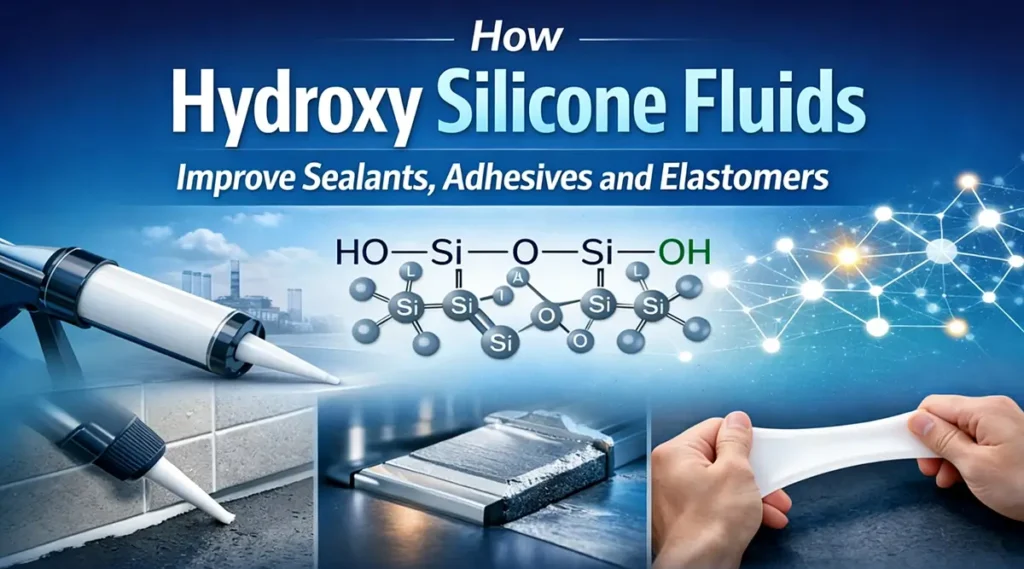
Hydroxy silicone fluids, commonly referred to as hydroxyl-terminated silicone oils (OH-PDMS) or silanol silicone fluids, are reactive silicone polymers widely used in advanced material formulations.
These materials are essential in RTV silicone sealants, industrial adhesives, and high-performance silicone elastomers, where controlled crosslinking and durability are required.
👉 In practical manufacturing, high-purity and consistency are critical. Many formulators prefer stable-grade materials such as Silico® hydroxy silicone fluids, which are engineered for predictable reactivity and formulation compatibility across different systems.
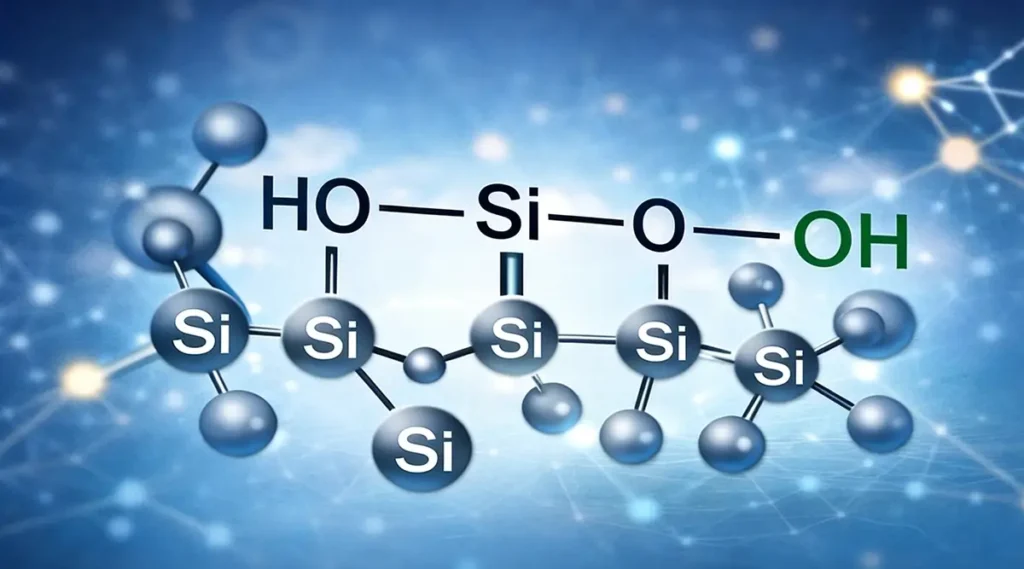
At the molecular level, hydroxy silicone fluids consist of a polydimethylsiloxane (PDMS) backbone terminated with reactive hydroxyl (–OH) groups.
These characteristics make hydroxy silicone fluids ideal as reactive silicone intermediates in sealants, adhesives, and elastomer systems, especially in moisture-curing formulations.
Hydroxy silicone fluids play a central role in optimizing both performance and processing in sealants and adhesives.
Hydroxy silicone fluid for RTV silicone systems acts as the main polymer backbone, enabling moisture curing through condensation reactions with silane crosslinkers. This ensures reliable curing behavior and structural integrity.
This leads to stronger and more durable bonding in construction sealants and industrial adhesives.
Proper viscosity selection allows formulators to:
👉 In high-performance formulations, consistent viscosity distribution—such as those offered by Silico® hydroxy silicone fluids—can significantly improve processing stability and final product quality.

In silicone elastomer systems, hydroxy silicone fluids function as chain extenders, structure modifiers, and reactive intermediates.
These features make them essential for silicone rubber processing and elastomer formulation optimization.
The key function of hydroxy silicone fluids lies in their ability to undergo condensation crosslinking reactions.
Hydroxyl groups react with:
Resulting in:
This mechanism underpins their widespread use as reactive silicone fluids in crosslinking systems for sealants, adhesives, and elastomers.
Hydroxy silicone fluids provide consistent performance across various industries.
They are also widely used in coatings, defoamers, and textile finishing, where improved surface properties are required.
Selecting the appropriate hydroxy silicone fluid is essential for achieving optimal results.
Impacts flexibility, strength, and network density
Formulation needs vary depending on RTV silicone, adhesives, or elastomer systems
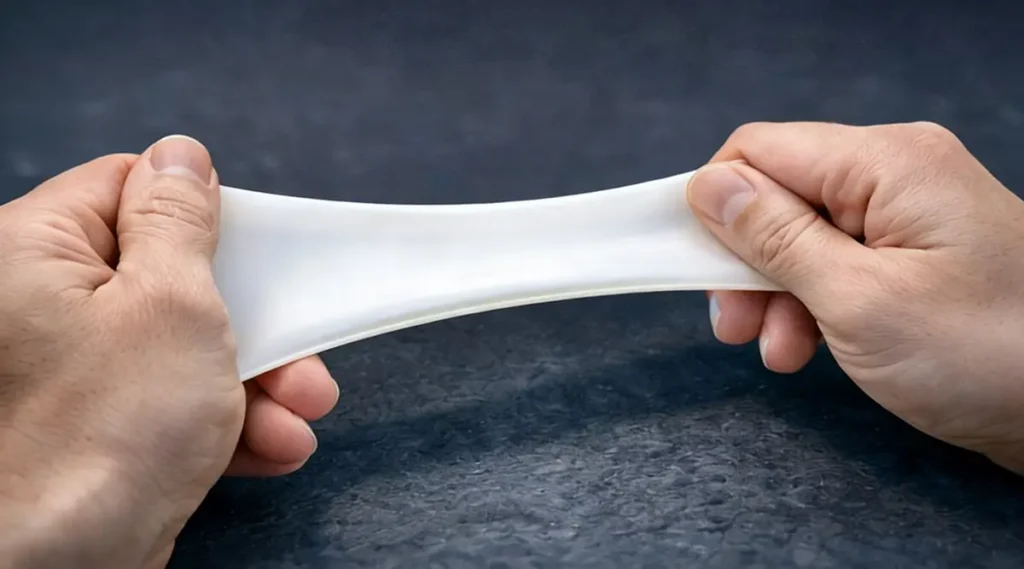
Hydroxy silicone fluids are indispensable materials in modern silicone chemistry, offering a unique balance of reactivity, flexibility, and durability.
Their role in improving sealants, adhesives, and elastomers makes them critical for achieving high-performance and long-lasting materials in industrial applications.
👉 For formulators seeking reliable and consistent quality, solutions such as Silico® hydroxy silicone fluids can provide enhanced control over curing behavior, mechanical performance, and overall formulation stability—while still allowing flexibility in system design.
Hydroxy silicone fluids, or hydroxyl-terminated PDMS (OH-PDMS), are reactive silicone polymers with terminal –OH groups. These hydroxyl groups enable crosslinking in condensation reactions, making them essential in RTV silicone sealants, adhesives, and elastomers. They also serve as structure control agents, water repellents, and processing additives in industrial applications.
Unlike inert silicone oils, hydroxy silicone fluids contain reactive –OH end groups, which allow them to participate in curing and network formation. This is crucial for adhesion, elasticity, and mechanical performance in silicone formulations, whereas inert oils only act as lubricants or plasticizers.
Key selection criteria include:
Different grades can be tailored for sealants, adhesives, elastomers, filler treatments, or textile finishes.
Beyond sealants and elastomers, hydroxy silicone fluids are used for:
Their versatility spans industrial, construction, textile, and personal care applications.
Yes. Low-viscosity hydroxy silicone fluids act as structure control additives, reducing defects like crepe hardening and improving filler dispersion. Medium- and high-viscosity silanol fluids enhance mechanical strength, elasticity, and curing consistency in silicone elastomers and adhesives.